If a rattling, squealing or vibrating garage door keeps you up in Kenmore, WA, practical noise reduction for your home is possible. This guide focuses on common causes and fixes homeowners can expect when they schedule garage door repair in our rainy Pacific Northwest climate. Read on for step-by-step options, realistic timelines, and when to call a pro.
Why garage door noise happens
Garage doors move on many parts: springs, rollers, tracks, hinges and the opener. Over time those parts loosen, corrode, or wear. In Kenmore’s wet winters, rust and swollen seals speed the process. Typical noisy symptoms include:
- Squealing or grinding from the opener or rollers
- Rattling panels or loose hardware
- Vibration transmitted to the garage frame or house
- Loud impact sounds when the door meets the floor
Each symptom points to different fixes a technician will consider during a garage door repair visit or a DIY inspection.
Practical noise reduction solutions
Below are targeted, actionable solutions that reduce noise quickly and extend the life of your garage doors. Many are low-cost; some require professional tools or training.
Quiet the rollers and tracks
Rollers and tracks are frequent noise sources. For quiet operation:
- Upgrade to nylon rollers if your door still uses metal rollers. Nylon cuts noise and vibration.
- Clean the tracks and remove debris; use a dry brush first, then wipe with a cloth.
- Lightly lubricate the rollers and hinges with a silicone or lithium spray—avoid heavy grease on tracks which attracts grit.
These routine steps are common on a standard garage door repair visit and often restore much of the original quiet.
Balance, springs and hardware
An out-of-balance door forces the opener to work harder and creates impact noise. A technician will:
- Test door balance and adjust torsion or extension springs as needed
- Tighten bolts, brackets and hinge hardware to eliminate rattle
- Replace worn bearings in drums or pulleys
Spring work is hazardous; leave torsion spring adjustments to certified garage door repair professionals.
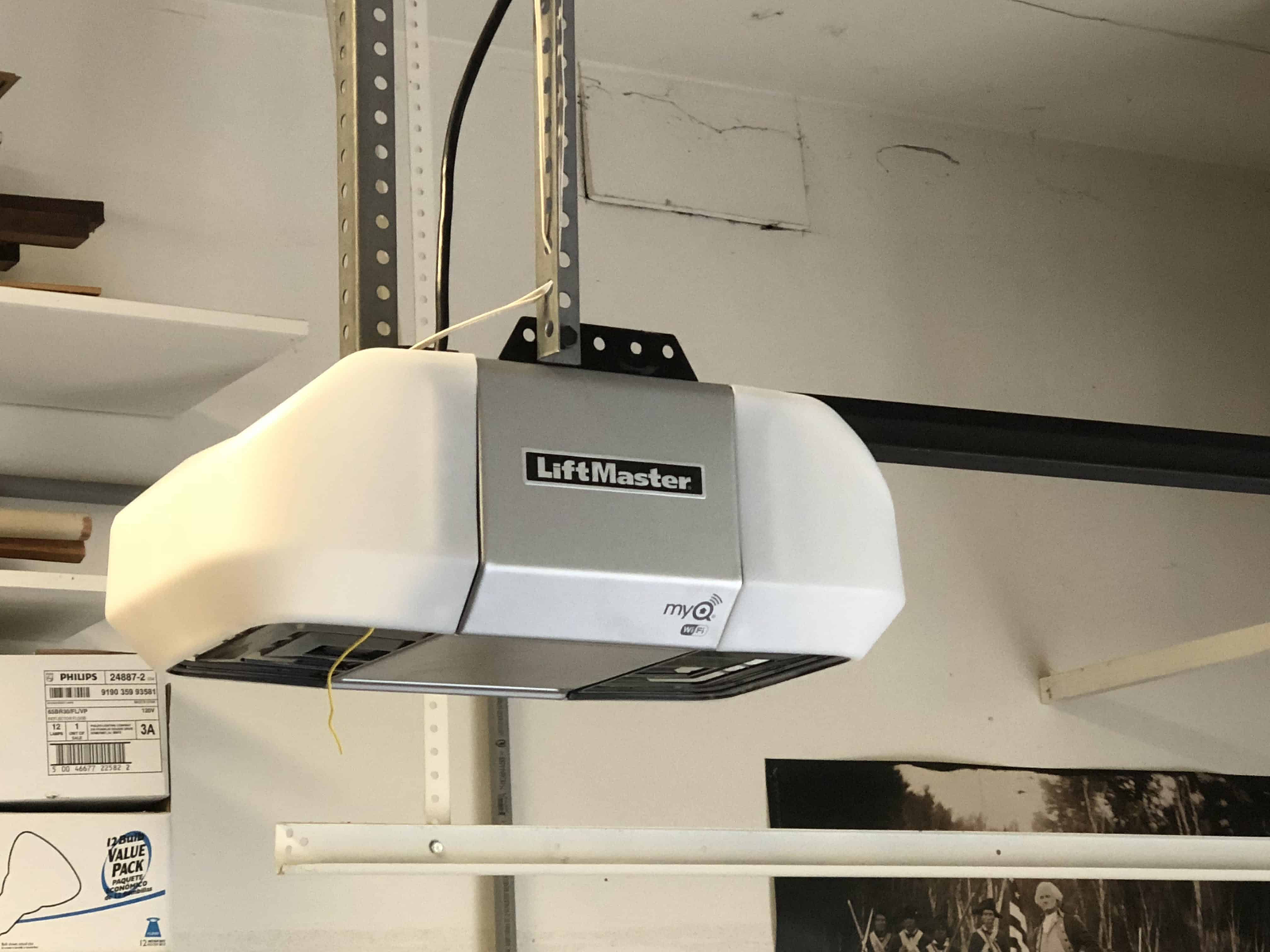
Upgrade the opener and isolation mounts
Older openers can be noisy by design. Consider:
- Installing a modern belt-drive opener — these run significantly quieter than chain drives
- Adding vibration-isolating rubber or neoprene mounts between the opener and ceiling framing
- Checking the belt or chain tension to reduce slap or clatter
An opener swap is a standard service in most garage door repair packages and a high-impact noise reduction step for many homes.
Panel and perimeter solutions
If panels bang against the frame or the door seals loudly at the bottom, try:
- Replacing worn bottom seals and weatherstripping to reduce slap and drafts
- Installing foam or rubber pads behind panels that buzz against each other
- Using a floor-mounted threshold seal to soften the final impact when the door closes
These are low-cost fixes commonly included in residential service calls for garage door repair.
Routine maintenance that keeps things quiet
Noise control is often about prevention. A simple seasonal checklist for Kenmore homeowners:
- Inspect rollers, hinges and tracks every 6 months
- Lubricate moving parts once a year (or sooner in salty, wet conditions)
- Test balance and safety sensors quarterly
- Keep the area around tracks clear of leaves and debris
For step-by-step instructions and deeper reads, visit our blog to learn how small maintenance tasks prevent noisy repairs later.
When to call a professional
DIY work is fine for cleaning, lubrication, and swapping weatherstripping. Call a professional for:
- Torsion or extension spring repairs
- Opener replacement or complex motor issues
- Persistent vibration after basic fixes — this can indicate alignment or structural issues
Expect a certified garage door repair technician to diagnose and offer costed options. We list common sound-reduction upgrades and preventive services on our services page for homeowners planning a project.
Local considerations: timelines, costs and permits
Kenmore, WA weather affects pricing and timing. Here’s what to expect:
- Timelines: Simple noise fixes (lubrication, tightening) can be completed in 30–90 minutes. Upgrades like opener replacement or insulated panel installs usually take half a day to a full day.
- Costs: In King County, expect basic garage door repair service visits in the low-to-mid hundreds for labor; parts and upgrades vary. Roller replacement or seals are economical; opener swaps and insulation cost more. Ask for an itemized estimate.
- Permits: Most noise reduction and repair jobs don’t require permits. Structural changes or added electrical work beyond swapping an opener may need a local permit — check with the City of Kenmore building department if in doubt.
Choosing parts and warranties
When you order parts, consider:
- Manufacturer warranties on springs, openers and rollers — these vary by brand and part
- Labor warranties from your installer — ask for a written warranty period on repairs
- Match materials to local conditions: stainless or galvanized hardware and neoprene seals resist Kenmore’s moisture better than untreated parts
If you need a quick quote or to schedule an inspection, contact us through our online contact form or call directly. A brief inspection will show whether a simple adjustment or a planned upgrade is the best long-term noise reduction.
For homeowners following a full plan, this garage door repair WA noise reduction solutions guide will help you prioritize fixes that lower noise, prevent repeat calls, and protect your home from weather-related wear.
Frequently asked questions
Will Kenmore’s wet climate make my garage door noisier faster?
Yes. Moisture accelerates rust on metal rollers, springs and tracks and causes seals to swell. Regular cleaning, drying, and switching to corrosion-resistant parts helps. Plan seasonal checks in spring and fall.
How long does a typical noise-reduction visit take?
Minor fixes like lubrication, tightening and roller replacement often take 30–90 minutes. Opener replacement or insulation upgrades can take half a day. Your technician should give a clear timeline after inspection.
What price range should I expect for common fixes in Kenmore?
Expect lower-cost items such as weatherstrips or bottom seal replacement to be under $200 parts and labor. Upgrading rollers or minor hardware may be a few hundred. Opener replacement or insulated panels are higher—request an itemized estimate for accuracy.
Do garage door repairs come with a warranty?
Parts often carry manufacturer warranties; installers usually offer a limited labor warranty. Always ask for written warranty terms before work begins and keep receipts for warranty claims.
Do I need a permit to replace my garage door or opener in Kenmore?
Most simple replacements and repairs do not need a permit. Structural changes, electrical upgrades beyond a direct opener swap, or major remodels may require a permit. If your project is extensive, check with the City of Kenmore building department.
Helpful local resources in Kenmore, WA
- Garage Door Repair Seattle
- Garage Door Repair Bellevue
- Garage Door Repair Redmond
- Garage Door Repair Kirkland
- Garage Door Repair Mercer Island
- Garage Door Repair Edmonds
- Garage Door Repair Issaquah
- Garage Door Repair Tacoma
- Garage Door Repair Everett
- Garage Door Repair Bothell
- Garage Door Repair Sammamish
- Garage Door Repair Renton
- Garage Door Repair Lynnwood
- Garage Door Repair Woodinville
- Garage Door Repair University Place
- Garage Door Repair Gig Harbor
- Garage Door Repair Lakewood
- Garage Door Repair Puyallup
- Garage Door Repair Mukilteo
- Garage Door Repair Vancouver
- Garage Door Repair Kenmore
- Garage Door Repair Burien
- Garage Door Repair Auburn
- Garage Door Repair South Hill
- Garage Door Repair Yarrow Point
- Garage Door Repair Clyde Hill
- Garage Door Repair Port Townsend
- Garage Door Repair Duvall
- Garage Door Repair Snoqualmie