Homeowners in Kenmore, WA know how much a garage affects heat loss and energy bills. Smart garage door maintenance starts with simple, local-friendly upgrades that reduce drafts, improve insulation, and extend the life of the door system. This guide focuses on practical steps you can take now, plus when to call a pro for more advanced work.
Why energy efficiency matters for your garage
A single uninsulated or poorly sealed garage door can be a major source of heat loss in the Pacific Northwest climate. Regular garage door maintenance preserves seals, prevents moisture problems, and improves comfort in attached living spaces. For homeowners aiming to lower heating costs and protect stored items, an energy-focused maintenance plan pays back quickly.
Quick inspection: what to check this weekend
Start with a short inspection that takes 20–30 minutes. These checks are foundational to any garage door maintenance routine focused on energy efficiency:
- Visual: look for gaps at the bottom and sides, bent panels, or missing weatherstripping.
- Touch: feel for drafts with a lit incense stick (out of reach) or a thin sheet of tissue near the edges.
- Operation: open and close the door—listen for scraping, grinding, or slow start/stop that point to misaligned tracks or a stressed opener.
- Inspect seals: check the bottom seal and perimeter weatherstripping for cracks, hardening, or missing sections.
Document what you find. Small repairs done at the first sign of wear are cheaper than panel replacement later and are core to long-term garage door maintenance.
Energy-saving upgrades that match local needs
Kenmore’s mild, wet winters and cool summers mean you want solutions that handle moisture and limit heat transfer. Below are prioritized upgrades that combine energy savings with practical maintenance.
1. Install or replace insulation
Insulation is the highest-impact upgrade for garage door maintenance when energy efficiency is the goal. Insulated steel or composite panels reduce thermal transfer and minimize condensation. For an older door, consider retrofit insulation kits designed for sectional doors. Insulation should be installed following manufacturer instructions to avoid adding stress to the opener or tracks.
2. Replace weatherstripping and bottom seals
Replace brittle or torn rubber seals to stop drafts and keep out rainwater. Look for neoprene or EPDM materials rated for exterior use. A snug bottom seal not only cuts heat loss but also keeps out pests and damp—important for Kenmore homes near the lakeshore.
3. Improve perimeter sealing
Side and head seals work with the bottom sweep to close the gap when the door is down. Use low-compression seals that won’t bind the door while ensuring a tight fit. As part of routine garage door maintenance, check fasteners and retainer strips that hold these seals in place.
4. Tune the opener and balance the door
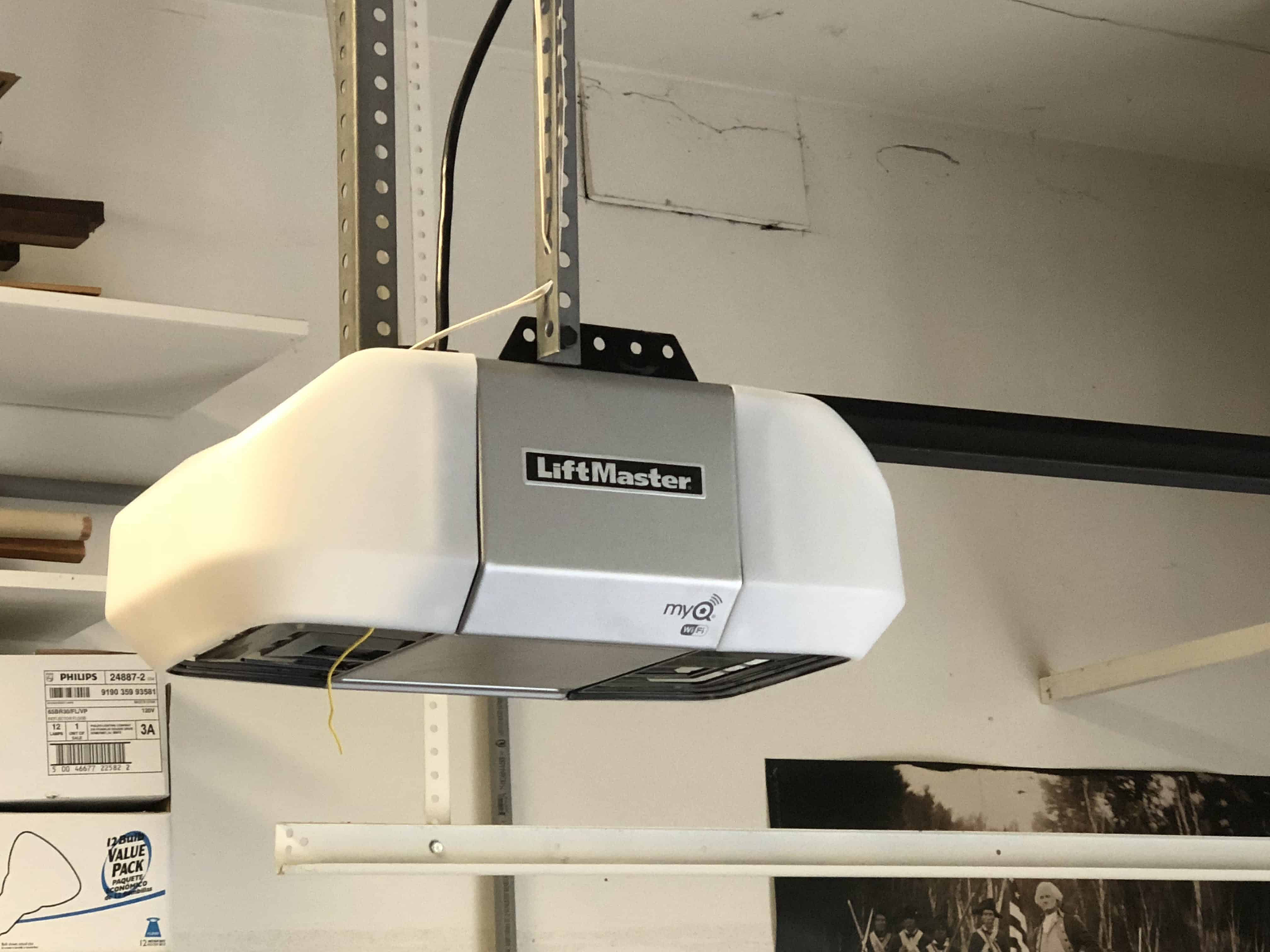
An improperly balanced door forces the opener to work harder, increasing wear and energy use. During garage door maintenance, test balance by disconnecting the opener and moving the door manually halfway—if it drifts, the springs need adjustment by a pro. Also keep the opener maintained: lubricate chain or screw drives per manufacturer guidance and check force and travel limits.
5. Add wind-resistant hardware and sensors
Kenmore can see strong gusts off Lake Washington; wind-rated springs and reinforced tracks reduce flexing that leads to gaps. Ensure safety sensors are aligned and clean—blocked or misaligned sensors can cause repeated partial cycles that waste electricity.
Practical maintenance plan and checklist
Make energy-focused garage door maintenance part of a seasonal home checklist. Below is a schedule that’s easy to follow.
- Spring and fall: full inspection, clean tracks, replace weatherstripping as needed, check insulation for moisture.
- Monthly: visual inspection of seals and sensors, test balance, and ensure opener function.
- Annual: lubricate moving parts, verify spring tension (by a technician if needed), and evaluate insulation performance.
Keep a short log of dates and items addressed—this helps when assessing whether upgrades paid off on your energy bill and supports warranty claims.
When to DIY and when to call a professional
Homeowners can handle seal replacement, insulation kits, and routine cleaning safely. However, work on springs, cable adjustments, and major track repairs should be performed by trained technicians—these components store dangerous energy and present risk of injury or further damage if handled improperly.
If you prefer a local expert, our team offers targeted energy-efficiency upgrades as part of regular garage door maintenance and can provide a free estimate to upgrade seals, install insulation, or tune your opener. For questions about scheduling or a fast safety check, use the contact page to reach a local technician. For deeper reading on common problems and fixes, check our blog.
Cost and timeline expectations
Typical ranges for Kenmore-area projects:
- Weatherstripping replacement: $75–$250, completed in under an hour for most doors.
- Insulation retrofit kits: $150–$500 material cost; 1–3 hours to install depending on door size and panel type.
- Spring replacement and balance work: $200–$400 depending on spring type and door weight; usually completed same day by a pro.
These are local estimates only; exact pricing depends on door size, materials, and labor. Energy-efficient upgrades often qualify for longer-term savings through reduced heating runtime.
Top mistakes to avoid
- Skipping balance tests: a misbalanced door shortens spring life and taxes the opener.
- Using indoor-grade materials outside: select weather-resistant seals and insulation rated for damp climates.
- Over-insulating without addressing ventilation: trapped moisture can cause corrosion; ensure adequate attic/garage ventilation.
- Delaying small repairs: minor gaps grow into larger issues that require full panel replacement.
Local considerations for Kenmore homeowners
Kenmore properties near water face higher humidity year-round. That raises the priority of moisture-resistant materials and regular checks for condensation on insulated panels. If your garage is attached to living space, prioritize upgrades that reduce air exchange between the garage and the home—seal the door, inspect thresholds, and install a tight-fitting bottom sweep.
Making garage door maintenance part of your home improvement plan protects tools, lowers energy waste, and improves comfort. Whether you tackle weatherstripping and insulation yourself or hire a technician for spring work and opener tuning, a focused approach yields the best long-term results.
Ready to schedule an energy-focused inspection or get a free quote for upgrades in Kenmore, WA? Call our local line or request an estimate through the contact page. Small investments in garage door maintenance deliver measurable energy savings and reduce unexpected repair costs.
Frequently Asked Questions
1. How does Kenmore weather affect garage door seals and insulation?
Kenmore’s damp climate accelerates rubber seal deterioration and can cause insulation to absorb moisture if it’s not rated for exterior use. Inspect seals each season and choose EPDM or neoprene materials. Replace seals at the first sign of cracking to keep drafts and moisture out.
2. How long does an energy-efficiency upgrade take?
Simple upgrades—like replacing a bottom seal or installing weatherstripping—typically take under an hour. Insulation kits for sectional doors usually take 1–3 hours. Spring replacement or complex track repairs are often completed the same day but require a pro for safety.
3. What price range should Kenmore homeowners expect?
Local price ranges: weatherstripping $75–$250, insulation kits $150–$500, spring replacements $200–$400. Final cost depends on door size, panel type, and whether electrical or structural work is needed.
4. Do upgrades affect my garage door warranty or require permits?
Minor maintenance (seals, insulation kits) rarely affects warranties, but structural changes or replacing torsion springs might. Permits are uncommon for residential door work in King County, but check with the City of Kenmore for projects that alter structural attachments. Always retain receipts and technician reports to support warranty claims.
5. Can improved garage door maintenance reduce condensation and mold risk?
Yes. Proper insulation, good seals, and ensuring ventilation reduce temperature differentials that cause condensation. Removing stored items from exterior walls and using moisture-resistant insulation further lowers mold risk.
Helpful local resources in Kenmore, WA
- Garage Door Repair Seattle
- Garage Door Repair Bellevue
- Garage Door Repair Redmond
- Garage Door Repair Kirkland
- Garage Door Repair Mercer Island
- Garage Door Repair Edmonds
- Garage Door Repair Issaquah
- Garage Door Repair Tacoma
- Garage Door Repair Everett
- Garage Door Repair Bothell
- Garage Door Repair Sammamish
- Garage Door Repair Renton
- Garage Door Repair Lynnwood
- Garage Door Repair Woodinville
- Garage Door Repair University Place
- Garage Door Repair Gig Harbor
- Garage Door Repair Lakewood
- Garage Door Repair Puyallup
- Garage Door Repair Mukilteo
- Garage Door Repair Vancouver
- Garage Door Repair Kenmore
- Garage Door Repair Burien
- Garage Door Repair Auburn
- Garage Door Repair South Hill
- Garage Door Repair Yarrow Point
- Garage Door Repair Clyde Hill
- Garage Door Repair Port Townsend
- Garage Door Repair Duvall
- Garage Door Repair Snoqualmie